


papimi IIT & Prostate Health: What Clinical and Practical Experience Show

Can a non-invasive, painless method offer support for men with benign prostate
hyperplasia (BPH)—without surgery or long-term medication?


A published clinical study and long-standing practitioner use suggest: yes, it might.


🔬 Scientific Foundation

A peer-reviewed clinical study published in International Urology and Nephrology
(2011) investigated the effects of pulsed electromagnetic fields (PEMF),
generated by a papimi device, in men with BPH. The patients treated with PEMF
experienced:


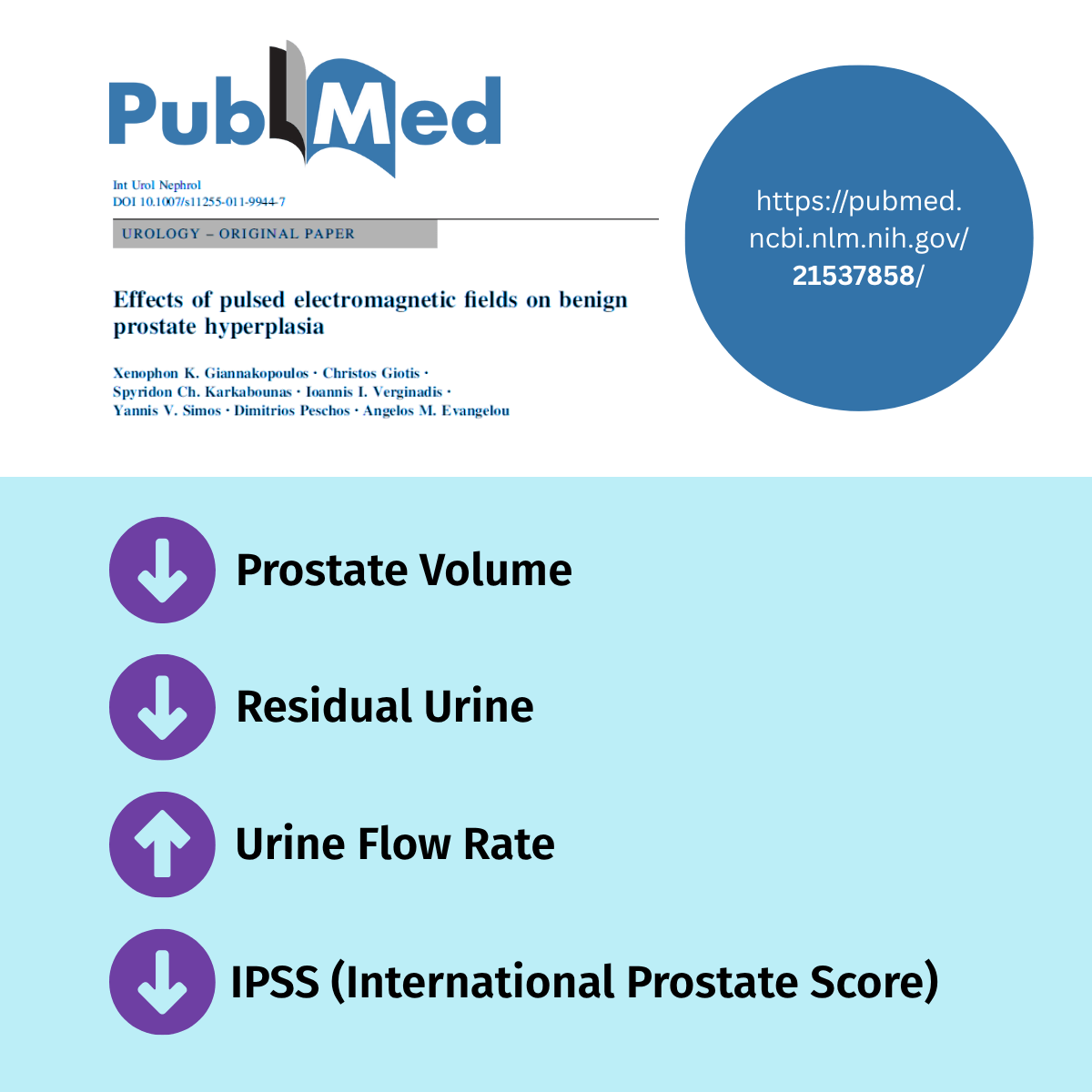
  • Reduced prostate volume
  • Improved urine flow
  • Decreased residual urine
  • Lower IPSS scores (a measure of symptom severity)

Notably, all PEMF patients remained symptom-free one year post-treatment—none required
prostate surgery.

📎 Study on PubMed → https://pubmed.ncbi.nlm.nih.gov/21537858/


While the study is not recent, its relevance endures: it remains one of the few investigations into non-thermal PEMF applications for BPH—and it used the
papimi device.


💬 Practitioner Feedback Confirms Observations

Current users continue to report positive experiences. A general practitioner in
Austria shared:


“Many of my patients with benign prostatic hyperplasia reported noticeably reduced
nighttime urination and improved urine flow after just a few sessions.”


Such case-based evidence continues to support
the practical relevance of papimi IIT in integrative care—especially where
conventional therapies are limited or poorly tolerated.

papimi IIT & Prostate Health: What Clinical and Practical Experience Show

Can a non-invasive, painless method offer support for men with benign prostate
hyperplasia (BPH)—without surgery or long-term medication?

A published clinical study and long-standing practitioner use suggest: yes, it might.

🔬 Scientific Foundation

A peer-reviewed clinical study published in International Urology and Nephrology
(2011) investigated the effects of pulsed electromagnetic fields (PEMF),
generated by a papimi device, in men with BPH. The patients treated with PEMF
experienced:

Reduced prostate volume
Improved urine flow
Decreased residual urine
Lower IPSS scores (a measure of symptom severity)

Notably, all PEMF patients remained symptom-free one year post-treatment—none required
prostate surgery.

📎 Study on PubMed → https://pubmed.ncbi.nlm.nih.gov/21537858/

While the study is not recent, its relevance endures: it remains one of the few investigations into non-thermal PEMF applications for BPH—and it used the
papimi device.

💬 Practitioner Feedback Confirms Observations

Current users continue to report positive experiences. A general practitioner in
Austria shared:

“Many of my patients with benign prostatic hyperplasia reported noticeably reduced
nighttime urination and improved urine flow after just a few sessions.”

Such case-based evidence continues to support
the practical relevance of papimi IIT in integrative care—especially where
conventional therapies are limited or poorly tolerated.

Related News

Early Spring Events papimi

Our Early Spring Events Here’s a slightly longer version with the events included: This early spring, you’ll find us at several exciting events across Europe 🌱Join us at the AFGM Congress in Vienna, the IGAF Webinar with Dr. Rau, and the Panhellenic Congress of Sports
lower back pain

Clinical Trial Confirms: papimi Reduces Back Pain by More Than 50% in Just 3 Sessions Clinical Trial Confirms: papimi Reduces Back Pain by More Than 50% in Just 3 Sessions A 2023 study in the Journal of Rehabilitation Medicine has delivered clear and measurable proof

EBM EffectiveBioMedicine Congress 2025 Vienna

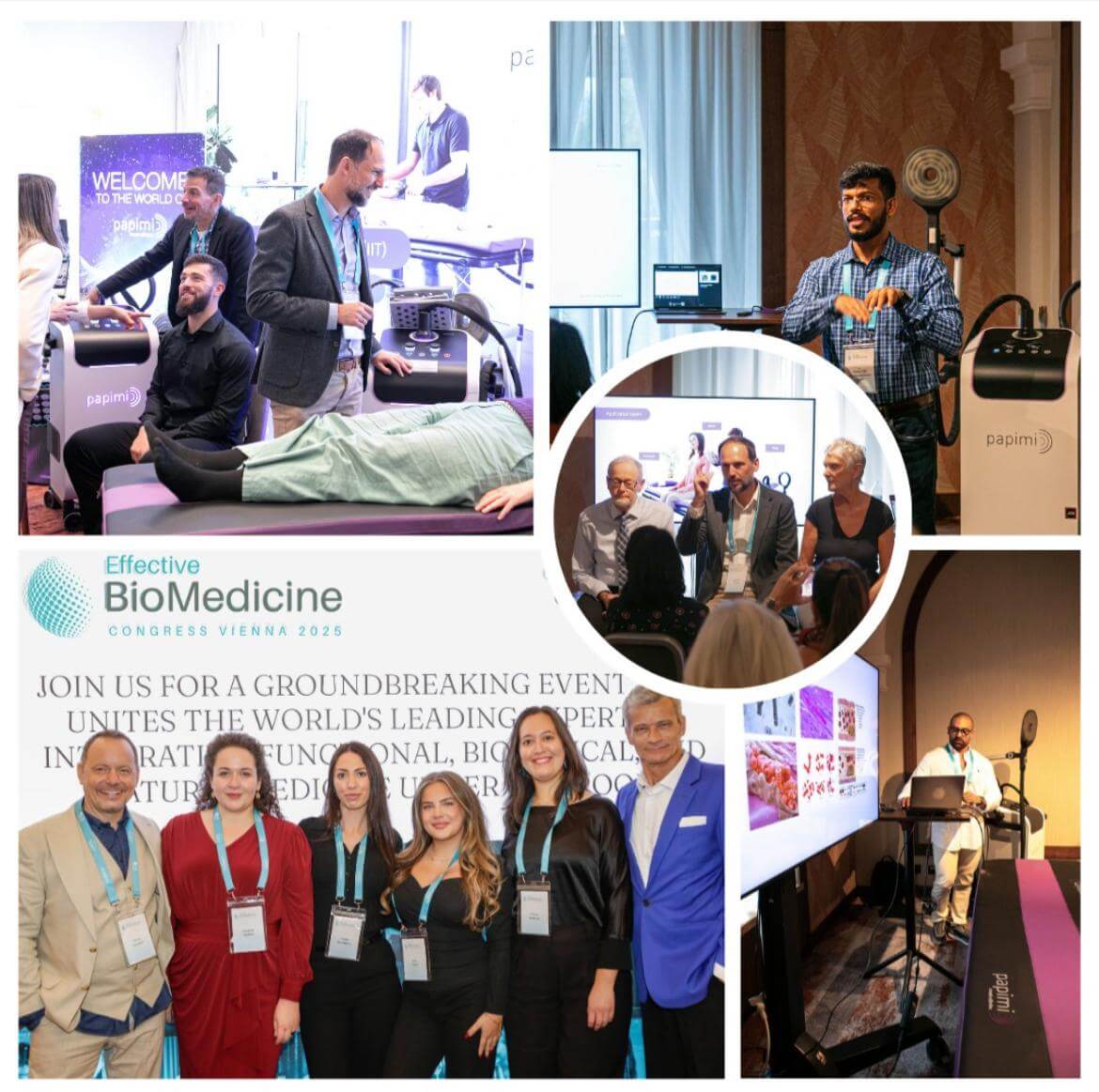
EffectiveBioMedicine Congress in Vienna 2025 We are incredibly proud to have been part of the Effective BioMedicine Congress 2025 – not only as exhibitors, but also through our collaboration with BioMedicine International AG, helping shape this outstanding event behind the scenes. A heartfelt thank you